
Athlone Castle
Our work at Athlone Castle will enhance the visitor experience, improve accessibility and sustainability and make possible a year-round programme.
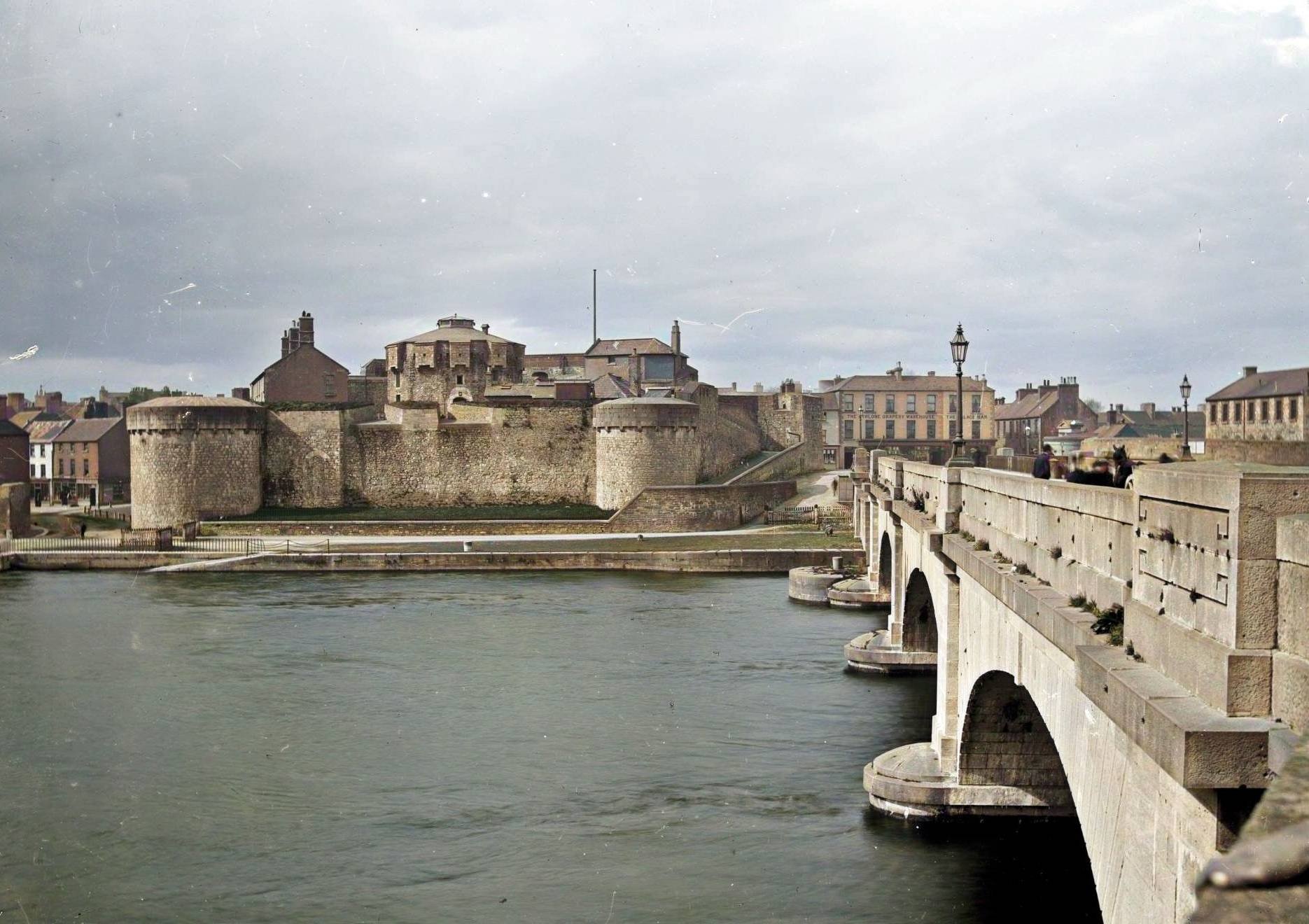
Location
Athlone Castle, Ireland
Completed
2026
Client
Westmeath County Council
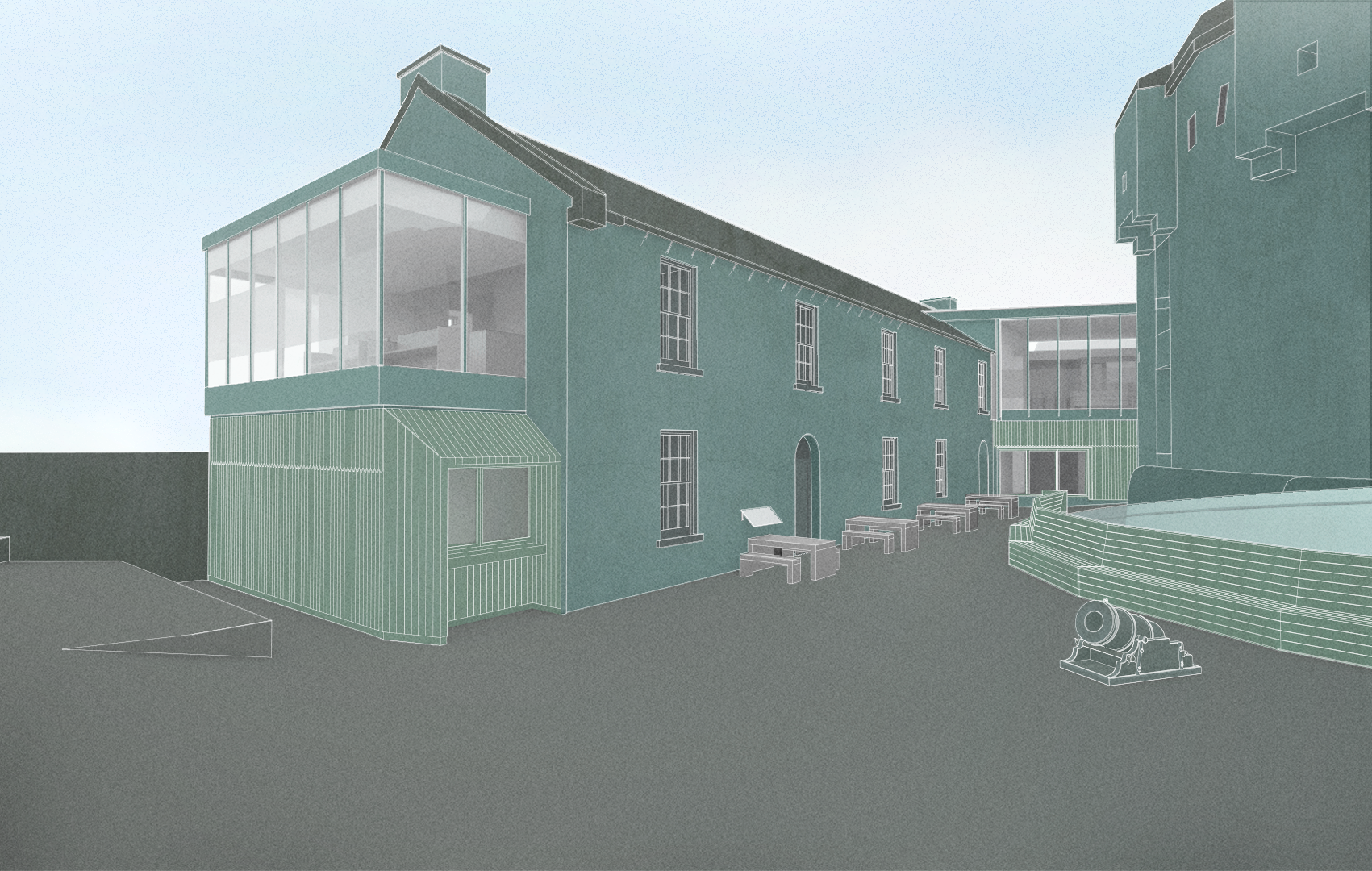
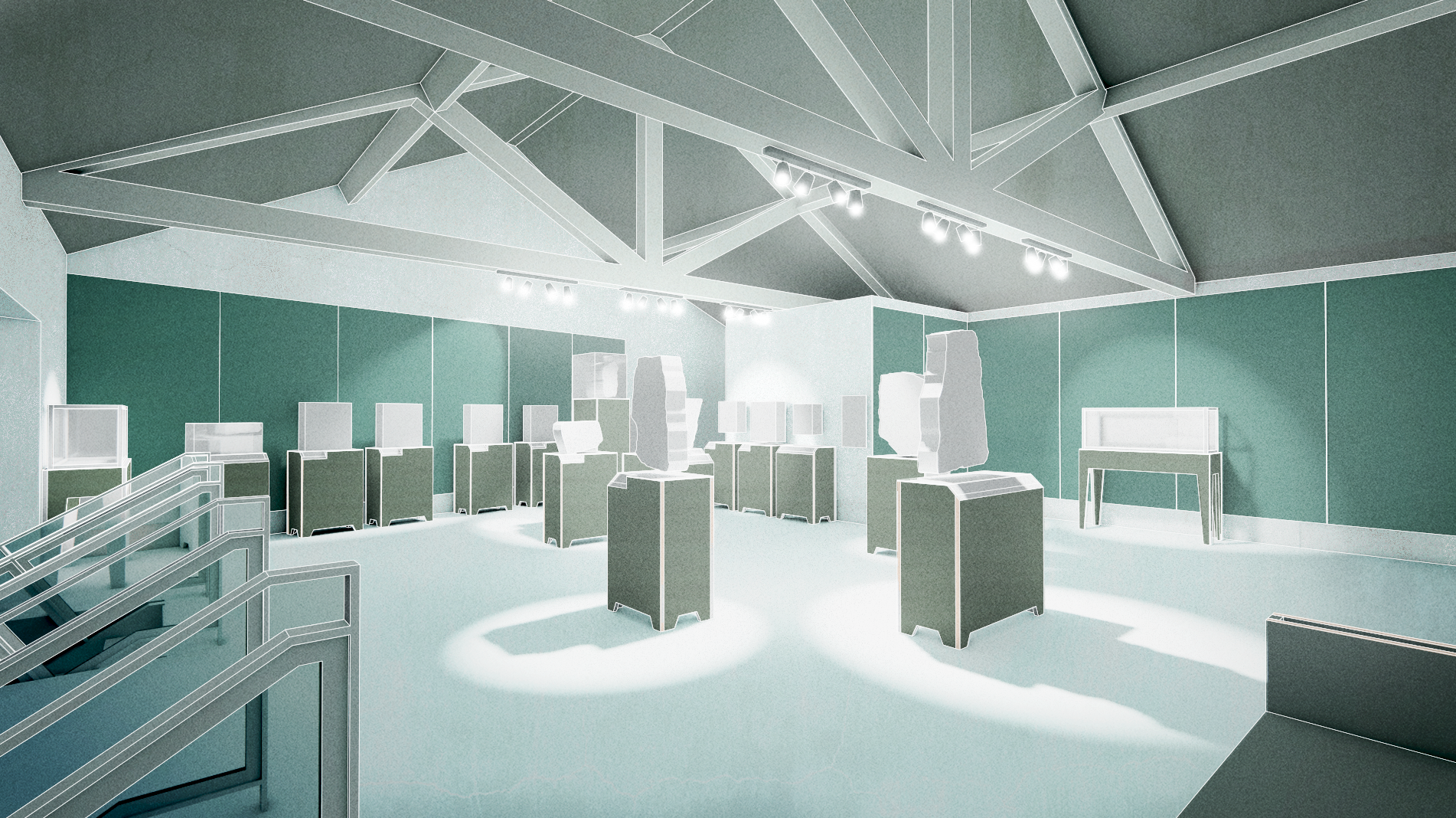
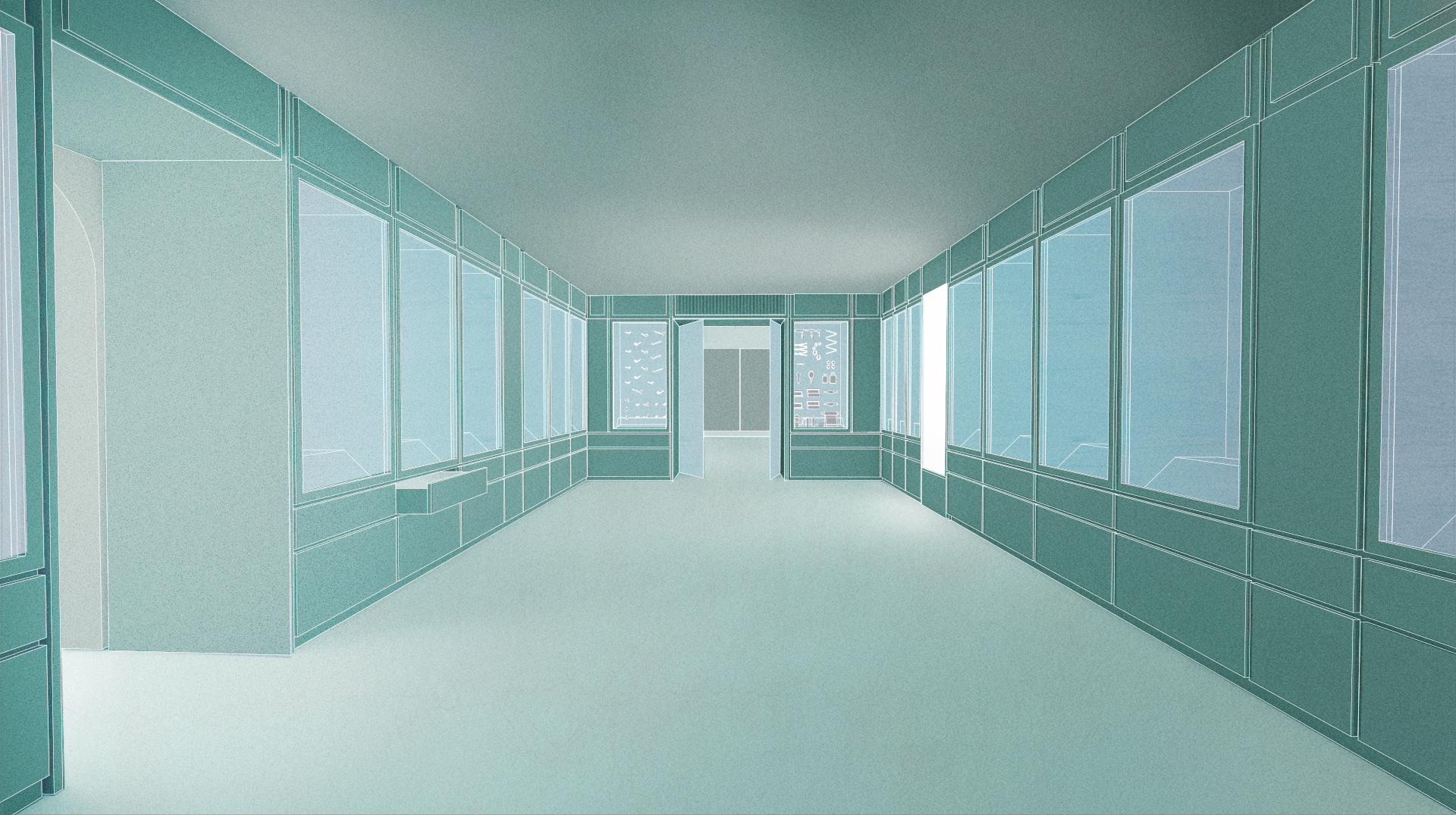
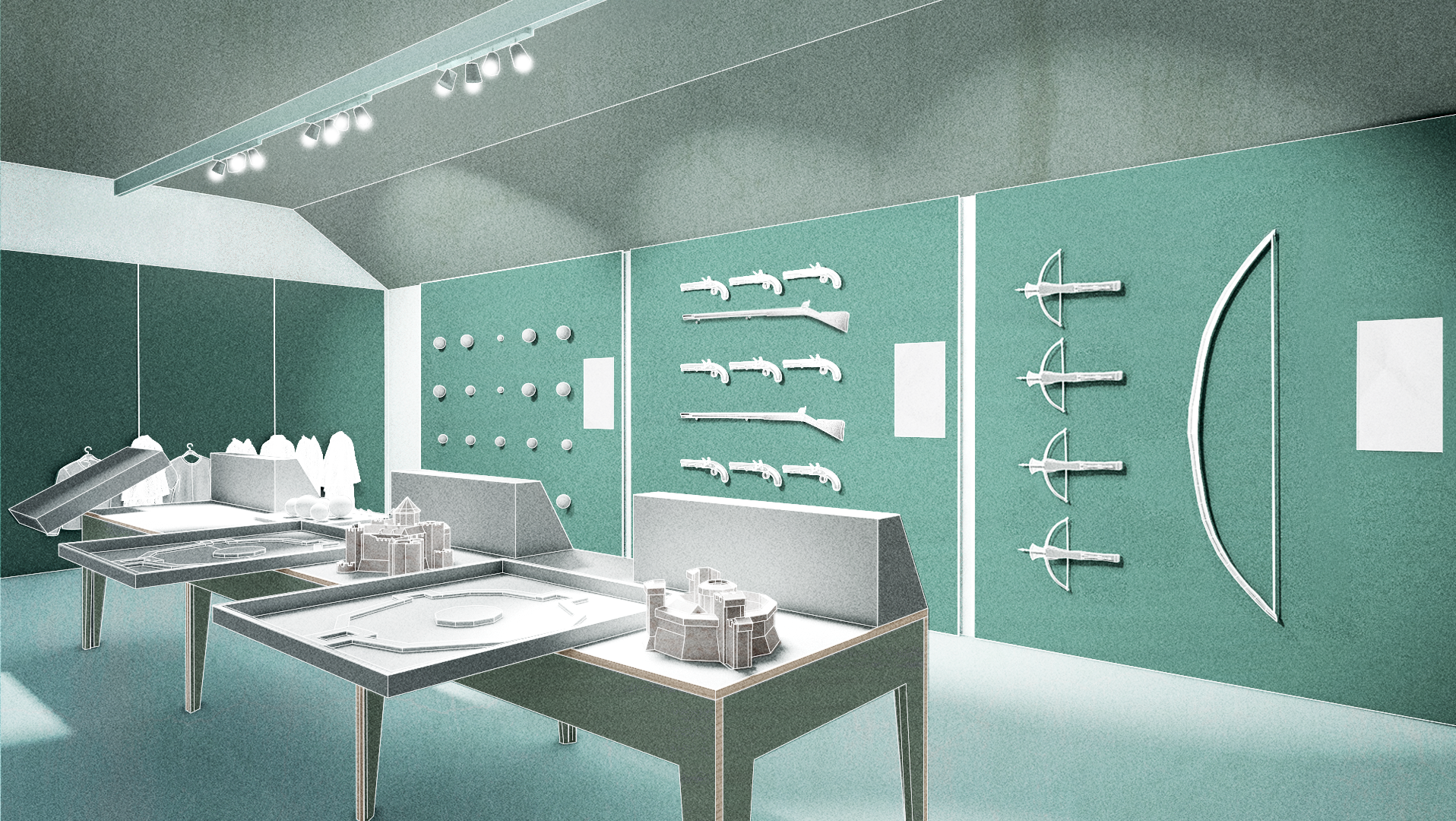
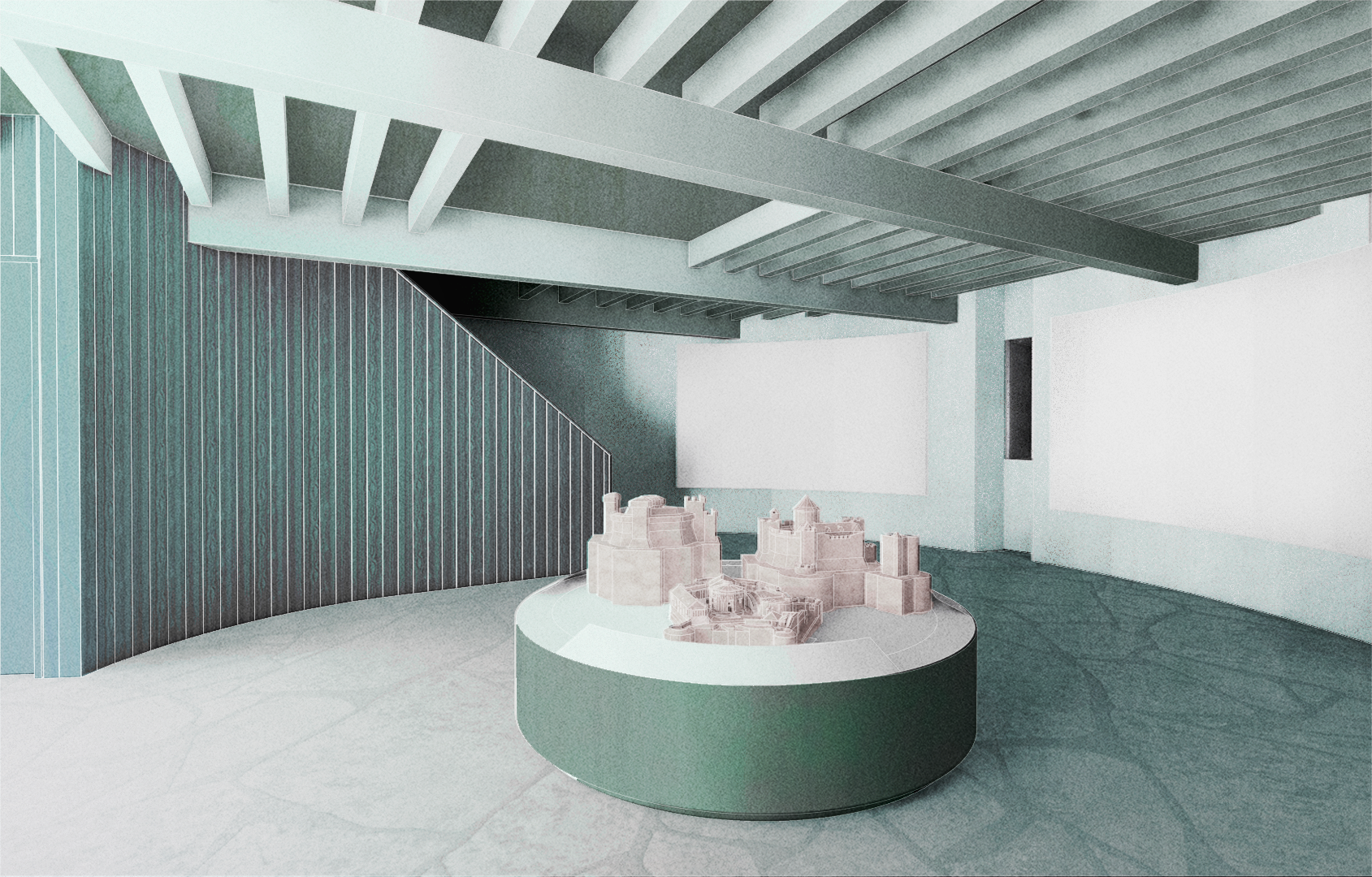
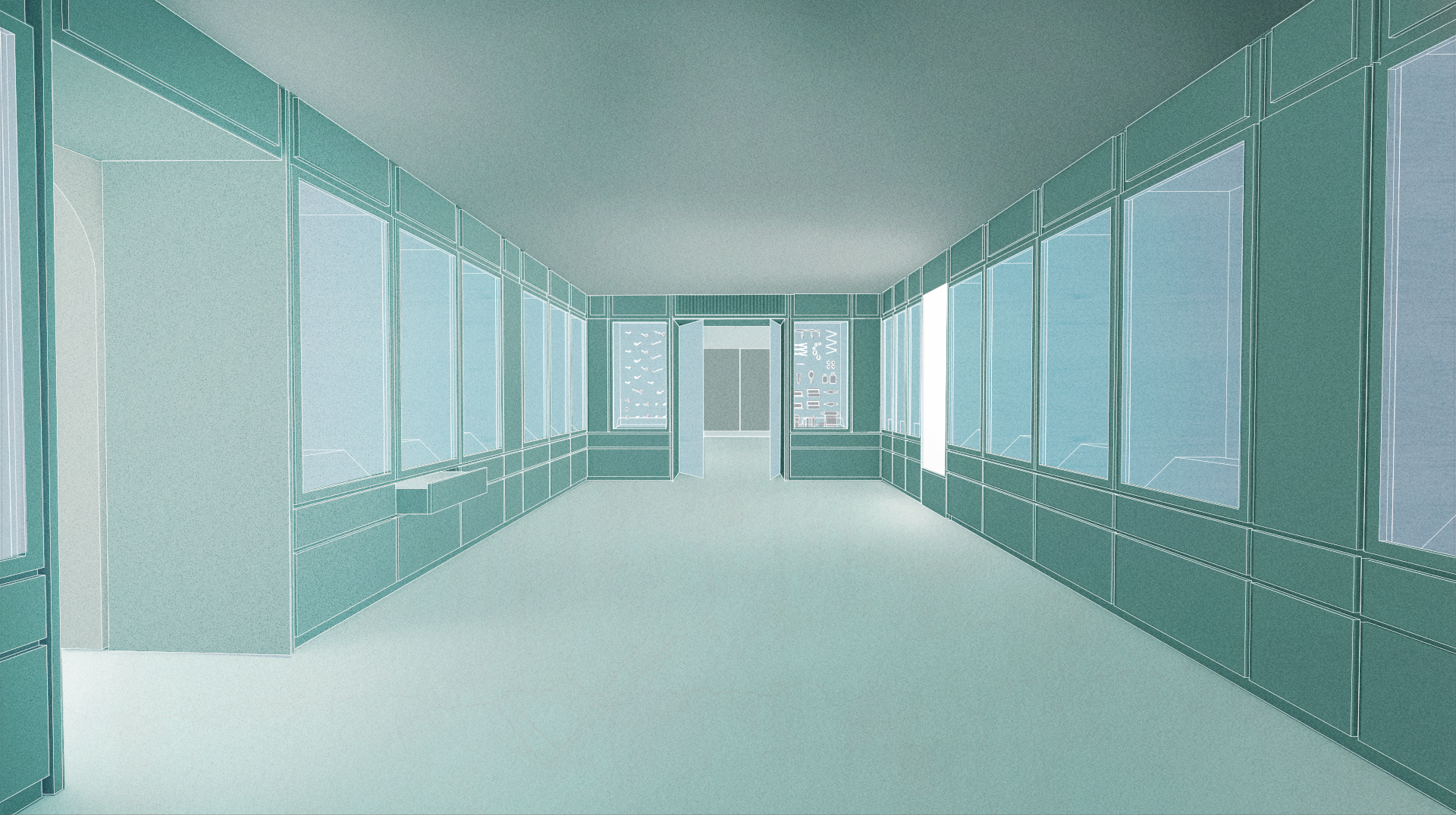
Westmeath County Council have appointed Galmstrup Architects to deliver enhancement works for Athlone Castle, in the centre of Ireland. The project includes conservation work, small extensions to improve usability, reconfiguration of spaces to support an active year-round programme and improved accessibility and a new exhibition fit-out.
We lead a multi-disciplinary team delivering architecture, conservation, visitor experience, and interpretation design through our in-house expertise. This includes managing the full design team, including all engineering, Health & Safety PSDP, DAC & Fire, and successfully achieving all consents, including Part 8, Ministerial Consent and Building Control.
The large castle with a relatively modest budget meant that we needed to make careful judgments about where best to make improvements and adjustments. We have been able to, alongside the client, make good value judgments about where to make interventions. We have thoroughly researched materials to find results which work well with and enhance the historic fabric while getting good value.
Added Value
Our experience with historic fabric, new build architecture and exhibition means that we could provide a full service for the client, eliminating some of the challenges that often comes with having separate architects and exhibition designers. By doing both roles, we have been able to bring back into use some of the historic rooms of the castle that have in recent years been used for storage. Through the work that we are doing the client will be able to open the castle up for year-round activities and to a wide range of people.
Sustainability
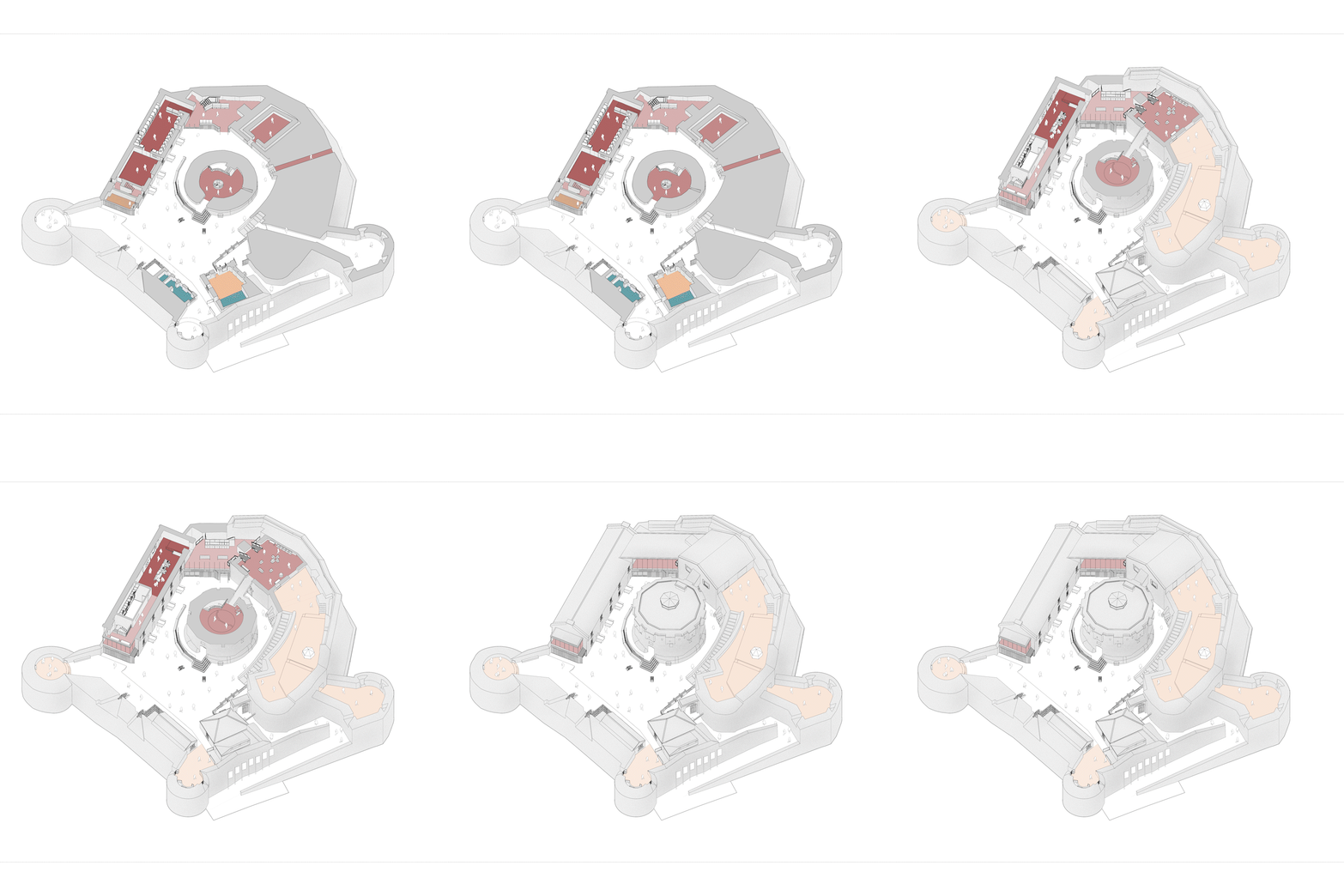
Reuse is central to our values. Where possible, we promote the reuse of buildings and make carefully judged improvements and adjustments to improve accessibility and reduce energy use. Through our experience, we have carried out extensive research of suitable materials and building systems to reduce energy use in old buildings.
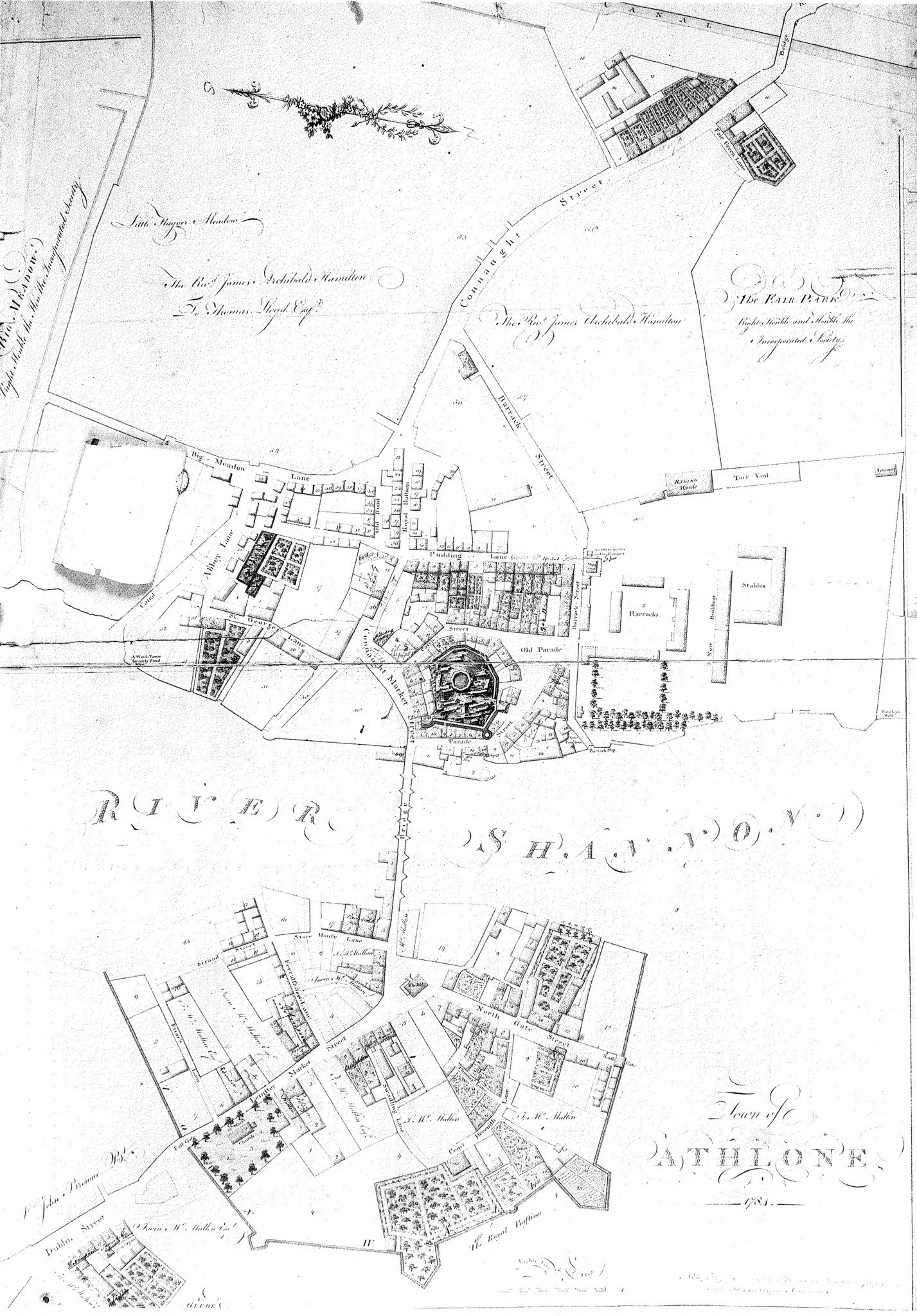
History
Athlone castle was built in 1210 by Bishop John de Gray for King John to control a vital river crossing on the River Shannon (Ireland’s longest river). This links nicely to another Norman castle on the River Shannon, which we are also working on - King John’s Castle in Limerick city. Since then it has had various uses before coming to the OPW in 1970 who set about restoring it and opening it as a visitor centre.
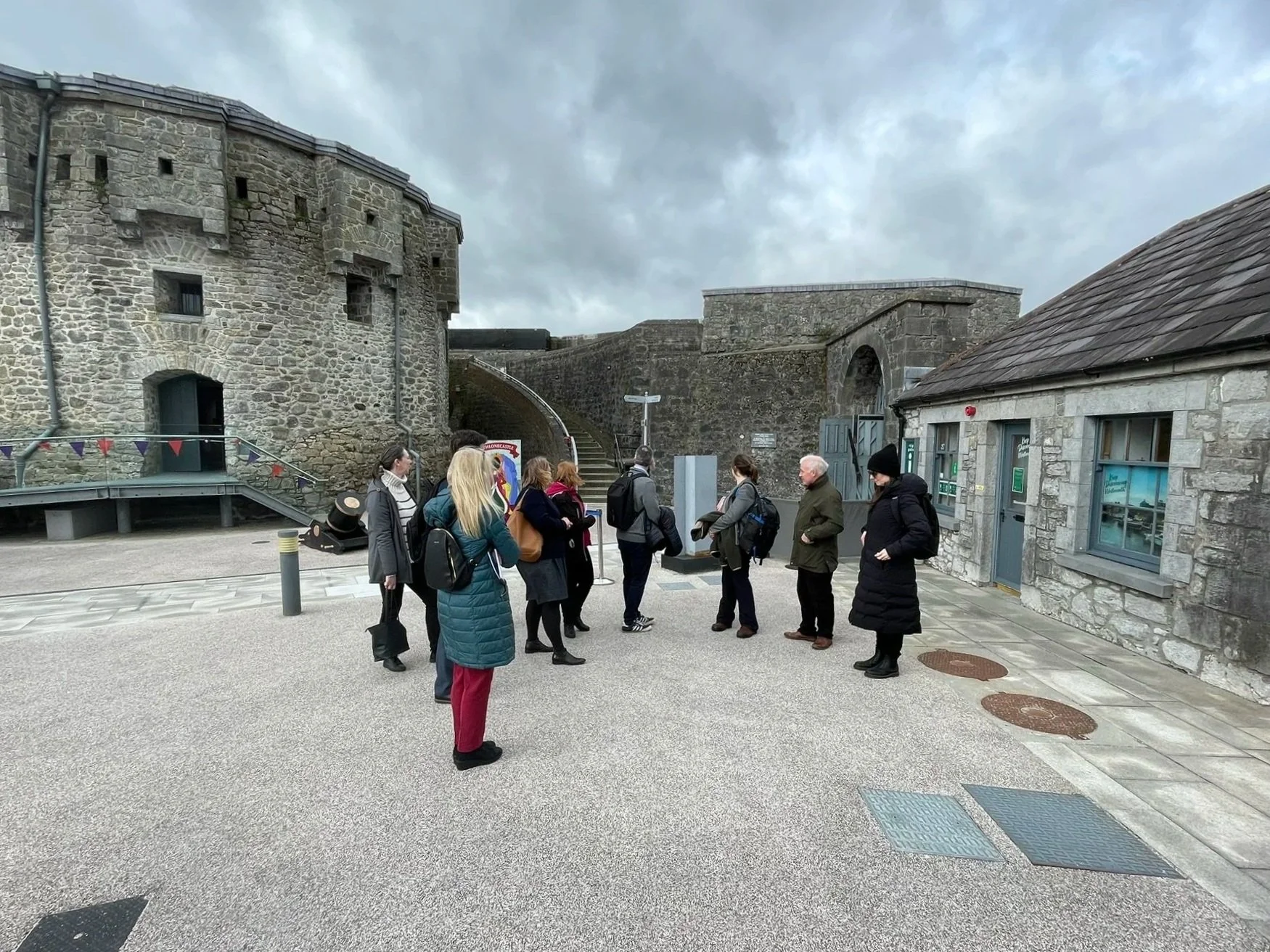
Engagement
Working hand-in-glove with the Castle team and local historians we ensure that the design meets the end users needs. Important operation and content improvements were taken on board and incorporated into the design.
Discover More
King John’s Castle

Children’s Discovery Centre
Oasis Farm